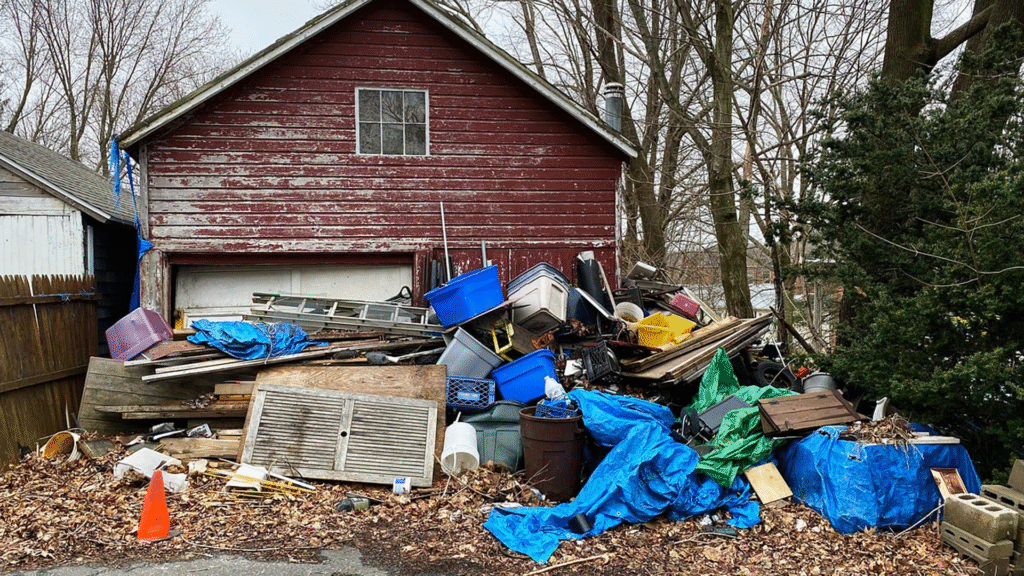
Hoarder homes need a structured cleanup plan because clutter builds layer by layer across every room. You face mixed items, blocked pathways, and safety risks that make the process harder without a clear start. Professionals follow simple steps that reduce pressure and create order before any heavy removal begins. Moreover, hoarder cleanup requires steady movement so rooms stay safe while you make progress. This guide explains the seven steps experts use, giving you a direct path to clean, sort, and restore each space.
Cleanup begins with a safety walkthrough because hoarder homes hide risks under the clutter. Floors weaken, exits block, and moisture builds in enclosed spaces. Professionals move slowly, study each room, and mark danger zones before any sorting starts. Moreover, this step protects you from unstable piles, mold, and sharp items that sit under debris. A clear walkthrough gives you a safer plan and steady direction.
Key checks include:
Sorting is the next stage because mixed piles prevent smooth removal. Hoarder homes often hold valuable items, personal belongings, and waste in the same pile. Professionals create simple categories so you process items without feeling stuck. Moreover, clear sorting reduces decisions and keeps your movement steady. When categories stay consistent, each room becomes easier to manage.
Common sorting groups include:
Pathways come next because you need open routes to remove junk without injury. Clutter often blocks doors, hallways, and room transitions, making it hard to move bags, bins, or large items. Professionals create narrow lanes first, then widen them as the cleanup moves forward. Moreover, these open paths help you reach deeper areas without stressing the space. When movement becomes safer, the rest of the cleanup becomes smoother.
Pathway steps include:
Bulk removal begins once you have space to move freely. Professionals use heavy-duty bags, labeled bins, and large carts to remove junk in steady cycles. You avoid rushing because fast movement increases risk of injury. Moreover, clear labeling keeps items organized even after they leave the room. This step reduces clutter volume quickly and gives each room visible improvement.
Bulk removal steps include:
Deep cleaning becomes important once clutter leaves the home. Floors, walls, and surfaces often show stains, dust buildup, or hidden damage. Professionals clean each area so the home becomes safe for long-term use. Moreover, cleaning shows structural issues that clutter hid for years. When this stage is complete, the home feels clear and breathable.
Deep cleaning tasks include:
Many hoarder homes show structural stress because heavy piles press against walls and floors for long periods. Professionals inspect these areas after cleaning to confirm stability. Repairs may be small, such as patching holes, or larger, such as fixing weak flooring. Moreover, addressing damage early prevents long-term safety issues. Your home becomes safer once repairs match the condition of each room.
Repair needs include:
Clutter returns when there is no plan to manage items long-term. Professionals help you set a simple structure so rooms stay clear. Your routine becomes easier when each item has a place and new clutter does not pile up. Moreover, preventive steps lower stress and keep your home safe. A small, consistent plan maintains space without overwhelming you again.
Useful preventive actions include:
Hoarder home cleanup becomes manageable when you follow a clear step-by-step plan. Each stage protects your safety, reduces stress, and brings visible progress. Moreover, these seven steps help you sort, remove, clean, and restore your home with confidence. When the process stays organized, you transform the space without feeling overwhelmed. This guide gives you the starting point you need to reclaim each room at a steady pace.
They begin with a full safety walkthrough to check floors, exits, air quality, and hidden hazards. This prevents injuries and creates a clear plan for sorting and removal.
Light debris and surface clutter leave first so pathways open. This allows teams to reach deeper areas safely and move larger items later.
Cleanup time depends on clutter volume and room conditions. Small homes may need one or two days, while heavy hoarding may take several days or weeks.
Yes. Important belongings, documents, photos, and valuables go into a “keep” category. Only waste and damaged items get removed permanently.
Yes. Hidden hazards such as mold, pests, weak floors, or sharp items make solo cleanup risky. Professional guidance keeps the process safe.
Deep cleaning begins. Floors, walls, and surfaces get disinfected, and any damage discovered under the clutter gets repaired or stabilized.
Use simple routines such as weekly waste removal, labeled bins, and monthly light cleanups. A small plan helps you keep each room stable over time.
Reach out to Rivas Rubbish Removal today for fast, reliable, and eco-friendly rubbish removal services. We’ll help you clear your space efficiently while ensuring sustainable practices for a cleaner, greener environment.
Have questions or need assistance? Our team is here to help – don’t hesitate to reach out.