Ever looked at your backyard and thought, “Where did all this stuff even come from?” Between the mountain of leaves from last fall, the leftover tiles from that DIY project, and the old swing set the kids never use anymore, it can feel like your yard is collecting more memories than relaxation. It happens to the best of us.
If you’re wondering, “what are the most common types of yard debris I need to deal with?” or “who can haul all this away fast?” — you’ve just found your answer. A proper yard debris clean up isn’t just about cleaning; it’s about reclaiming your space for barbecues, playtime, and quiet mornings.
This guide is for you. We’ll walk through the seven most common piles of stuff that yard cleanout experts handle every day. Think of it as a friendly chat about what goes where, why some debris is trickier than it looks, and how you can get your green space back without the heavy lifting.
That’s a great question, and it’s probably why you’re here. You might look at your yard and see one big, overwhelming mess. But for the pros, it’s like sorting a toolbox – everything has its category. Understanding these categories is the first step to a smooth and efficient cleanout in the yard.
Broadly speaking, the debris from your property can be split into a few big families: the green and growing stuff (like leaves and branches), the hard and heavy stuff (from projects and old structures), the bulky household items that have found their way outside, and the special-case materials that need extra care.
Instead of getting lost in a giant list, most homeowners find it easiest to think in terms of seven common groups. Getting a handle on these common debris types helps you plan, and it helps any team you hire know exactly what they’re walking into. Speaking of which, let’s break down those seven types, starting with the one everyone knows too well.
Alright, let’s get into the specifics. Here are the seven categories that cover almost everything cluttering up your outdoor space. Knowing what you’re dealing with makes the whole process of cleaning out debris much clearer.
This is the classic stuff you probably thought of first. We’re talking about the grass clippings that multiplied after the last mow, the blanket of autumn leaves, fallen branches from the last windstorm, and those overgrown bushes you finally decided to trim. It’s all-natural, but in large amounts, it’s a real headache. It’s bulky, can hide pests, and if you just bag it, you might end up with a small mountain of bags on your curb.
Now you might ask, “what’s the most efficient way to handle a huge pile of leaves and branches?” This is where a professional yard waste removal service shines. They don’t just bag it; they can often chip branches on-site for mulch or haul it all to dedicated composting facilities, turning your problem into something useful for the planet.
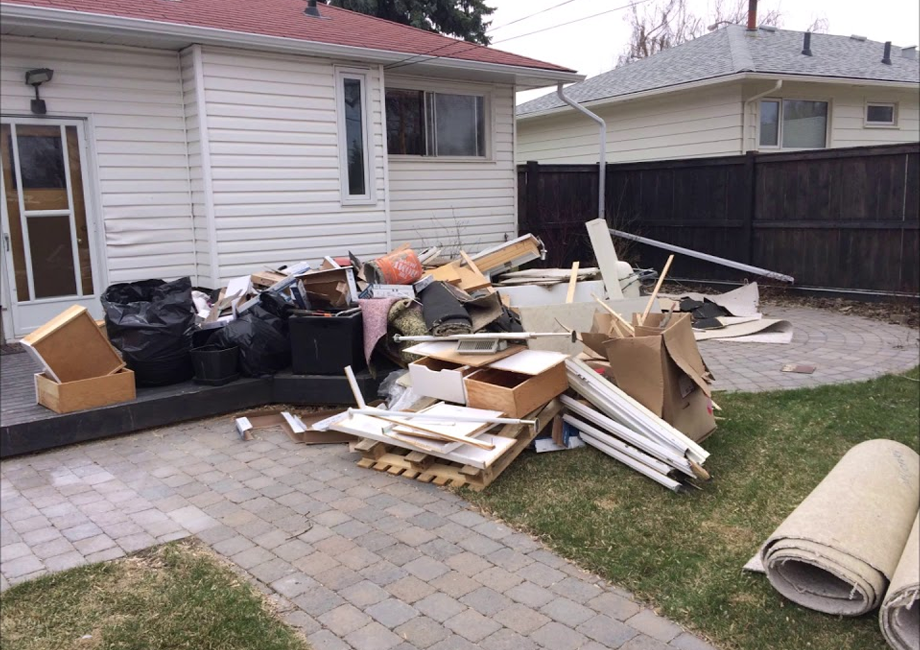
Now, let’s talk about the heavier side of a cleanout in the yard. Remember those leftover tiles and drywall scraps from the bathroom update you mentioned earlier? Or the old deck wood you just tore out? This category is for the heavy, often sharp, remains of home improvement. It includes concrete chunks, roofing shingles, unused lumber, and even old pipes.
This stuff is no joke – it’s heavy, can be dangerous to move, and most regular trash services won’t touch it. Trying to dispose of a pile of concrete in your regular bin is a big no. This is a job for professional junk hauling. These crews come with the right vehicles and gear to safely load and haul these heavy materials to processing centers where things like concrete and metal can be recycled, which is a much better outcome for everyone.
Ever noticed how old chairs, a broken microwave, or that box of “miscellaneous everything” from the garage tend to migrate to the backyard? It happens to the best of us. This covers all that bulky, cumbersome stuff that’s too big for your bins but isn’t green waste or construction material. We’re talking old furniture, mattresses, non-working appliances, kids’ outgrown playsets, and just general accumulated clutter.
The challenge here isn’t just weight, but awkward shapes and the simple question of “who offers reliable junk removal services for big items like these?” Hauling a sofa or refrigerator yourself is a surefire way to ruin a weekend (and maybe your back). A true yard debris cleanup service handles this without breaking a sweat, with the manpower and trucks to get these bulky eyesores off your property and to the correct donation, recycling, or disposal facilities.
After a big storm rolls through, your yard can look like a battle zone. This isn’t your everyday yard waste. This is significant backyard debris removal that involves large fallen tree limbs, entire trees, shattered fencing, and even damaged sheds or gazebos. It’s often scattered, tangled, and poses real safety hazards with unstable branches or hidden nails.
The need here is urgent, because you want your safe space back. Professionals specializing in this don’t just remove it; they come with the equipment to safely cut, dismantle, and clear the area, turning a post-storm mess back into your backyard.
Now, let’s talk about the items that need a special touch. This is the stuff that makes you pause and think, “I shouldn’t just throw this in the trash.” We’re talking about old paint cans, used motor oil, chemicals, batteries, and even that ancient TV or computer monitor sitting in the garage. This yard junk cleanout is about safety and responsibility.
These materials can harm the environment if disposed of incorrectly and can even be dangerous to handle without the right gear. A true professional service doesn’t shy away from this; they have the protocols and partnerships to transport and dispose of hazardous and electronic waste according to local regulations, giving you complete peace of mind.
Sometimes, the debris isn’t something that fell, but something you removed. This is what we mean by landscaping waste removal. Imagine deciding to replace that old, cracked concrete patio with a new one, or finally taking down the rickety wooden deck. The resulting pile of broken concrete, pavers, rotten timber, and old landscape bricks is incredibly heavy and difficult to manage.
It’s a world away from bagging leaves. This type of cleanout requires planning and muscle, as these materials can’t just be tossed. The good news? A lot of this material, especially concrete and clean brick, can be crushed and recycled, which is a key part of what makes professional yard debris removal services so valuable; they know where it all can go.
Our final common type is another classic case of indoor projects creating outdoor piles. Whether you’re updating your home’s floors or finally pulling up that stained basement carpet, the resulting debris, which is the old carpet, bulky padding, chunks of vinyl, tile, and strips of hardwood, has to go somewhere, and that’s often the driveway or side yard.
This stuff is surprisingly heavy, especially when water-logged, and can be full of staples and nails. It’s the final piece of the puzzle in a major yard cleanout. Handling it yourself means endless trips to the dump and maybe an injury. Professionals, however, treat it as part of the bigger picture, bundling it with other waste from your project for a single-trip removal and ensuring materials like carpet padding are kept out of landfills where possible.
Handling any one of these debris types alone can be a weekend-consuming chore. Combining them is where the idea of a DIY project can quickly become overwhelming. This is where yard cleanout experts turn a headache into a simple, hands-off solution for you.
Think about it. What does a professional yard cleanout team actually do? They bring the three things you likely don’t have on hand: dedicated manpower, the right hauling equipment (from large trucks to specialized trailers), and, most importantly, the knowledge of where everything needs to go. They don’t just haul; they sort. They separate recyclable concrete from old lumber, direct electronics to proper e-waste channels, ensure hazardous chemicals are handled safely, and take green waste to composting facilities. This turnkey approach is what defines a true yard debris cleanout service.
The benefits are clear:
In short, they handle the “how” so you can enjoy the “after.”
So, you’ve got a handle on the common yard waste types and you see the value in bringing in the pros for the big jobs. But what about the in-between times? A little routine goes a long way. Scheduling a seasonal yard waste cleanout can prevent small piles from turning into daunting mountains.
For smaller, everyday amounts of green waste, composting or using your city’s yard waste bin is perfect. But when you see a mix of several categories from our list piling up, that’s your sign. That’s when calling in for a professional yard cleanouts service makes all the sense in the world.
Tackling a mix of these debris types is rarely a simple DIY project. For a yard that truly feels like home again, let the experts at Rivas Rubbish Removal handle it. Our professional Yard Cleanout Solutions ensure it’s gone for good. Ready to reclaim your space? Give us a call at +1781-244-7661 or visit https://rivasrubbishremovals.com/yard-cleanout/ to learn more and get started.
Most residential cleanouts involve seven common types: green waste, construction materials, household junk, storm debris, landscaping rubble, hazardous items, and old flooring.
For small amounts, use your regular trash bin. For larger piles, a professional junk removal service is often most cost-effective, saving you dump fees and equipment rentals.
A dumpster can be cheaper for large, self-loaded projects. For speed and handling heavy items, an all-inclusive junk removal service usually provides better value.
Most companies have a minimum fee, typically covering a truckload. The best way to know is to get a quick, specific quote for your debris.
Hire a professional cleanout crew. They can tackle multiple debris types at once, finishing in hours which might take you weeks.
Reach out to Rivas Rubbish Removal today for fast, reliable, and eco-friendly rubbish removal services. We’ll help you clear your space efficiently while ensuring sustainable practices for a cleaner, greener environment.
Have questions or need assistance? Our team is here to help – don’t hesitate to reach out.